After nearly two decades in design I've seen countless trends come and go. The boom in AI-powered tools feels different — not just another step forward, but a new way of working that designers need to learn to collaborate with.
Process
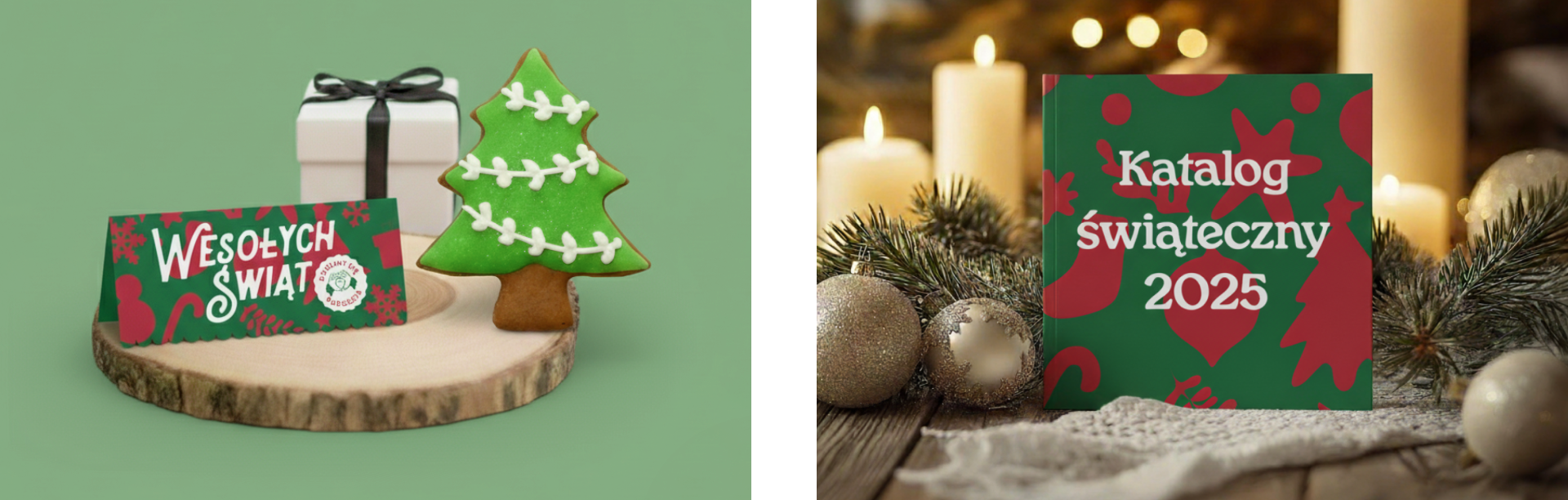
I designed the logo, colours and typography, package labels and a basic brand book, plus a few short After Effects animations to bring the brand's cheerful character to life.
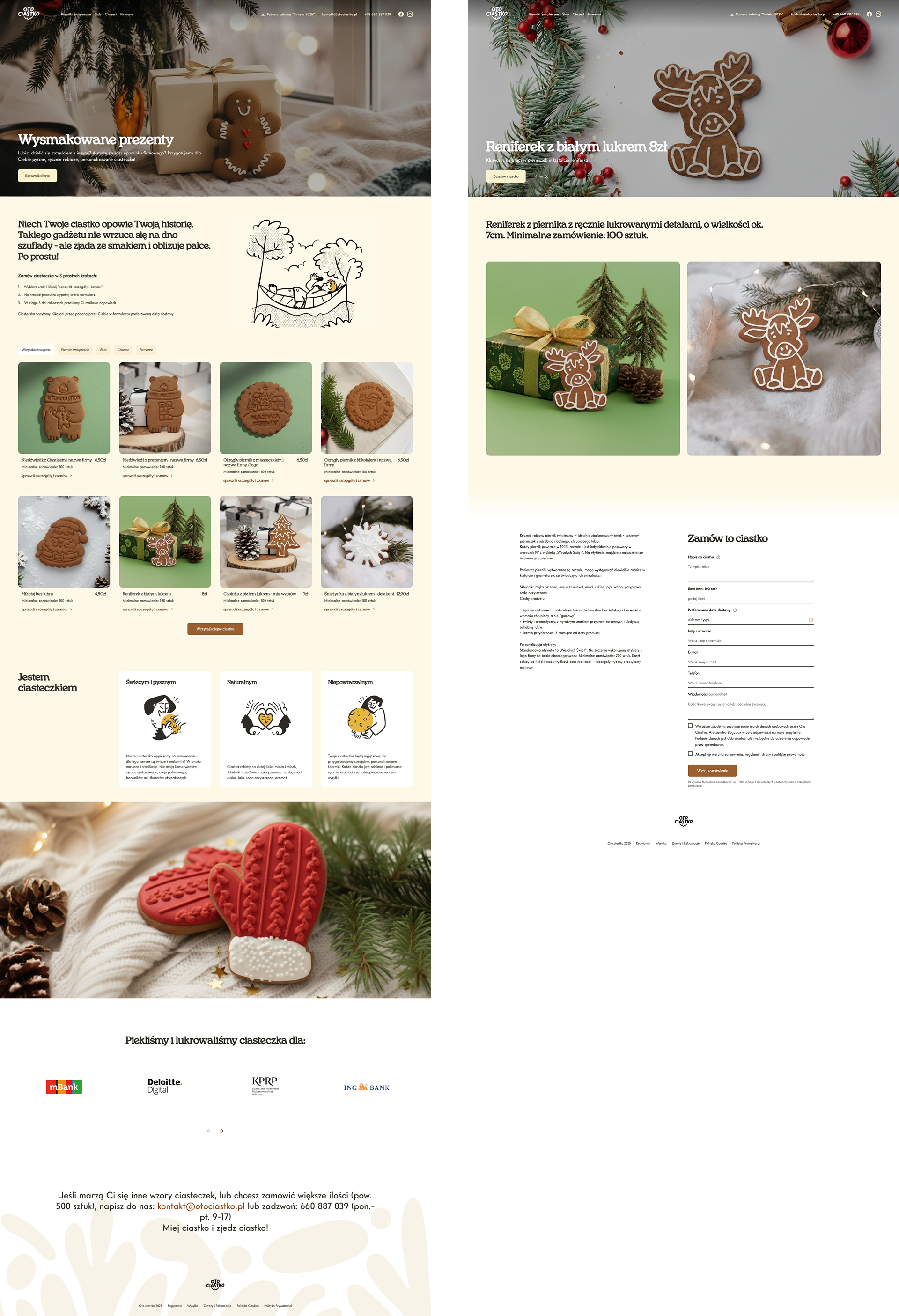
Then came the real experiment: building the website without a ready-made prototype. I started in Bolt and quickly switched to Cursor, which turned out to be far more intuitive.
The first result was a minimal one-pager with an order form. Encouraged by it, I built a more advanced site — hundreds of iterations, testing and final audits by Cursor's AI models later, it was cleaner and faster than I'd imagined.
I also used Nano Banana and Midjourney to turn plain studio photos of cookies into natural, atmospheric compositions — a part that needed patience and precise prompting.
Learnings
AI speeds up repetitive and technical parts of the process — but still needs a designer's direction and taste.
Image generation is powerful, yet brand-consistent visuals take careful prompting and iteration.
Coding with AI makes building and refining websites surprisingly accessible for designers.